Pocket Option Registration
Use the buttons below to register on the official Pocket Option website and explore our guide on verification and the first steps after opening an account.
Risk warning: Trading carries high risk of losing your capital.

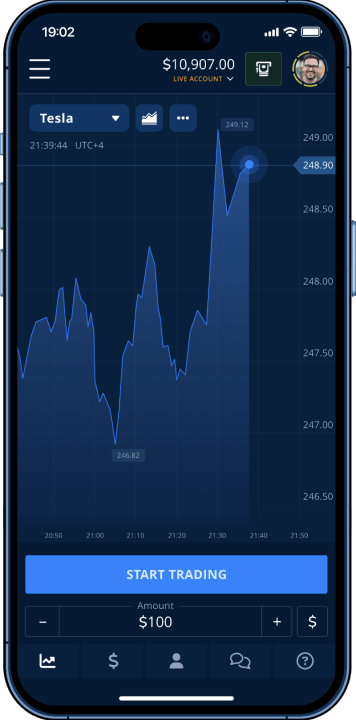
How to Register on Pocket Option
The platform offers several profile creation methods. Each has specific characteristics regarding speed, security, and subsequent verification requirements.
Email and Password Registration
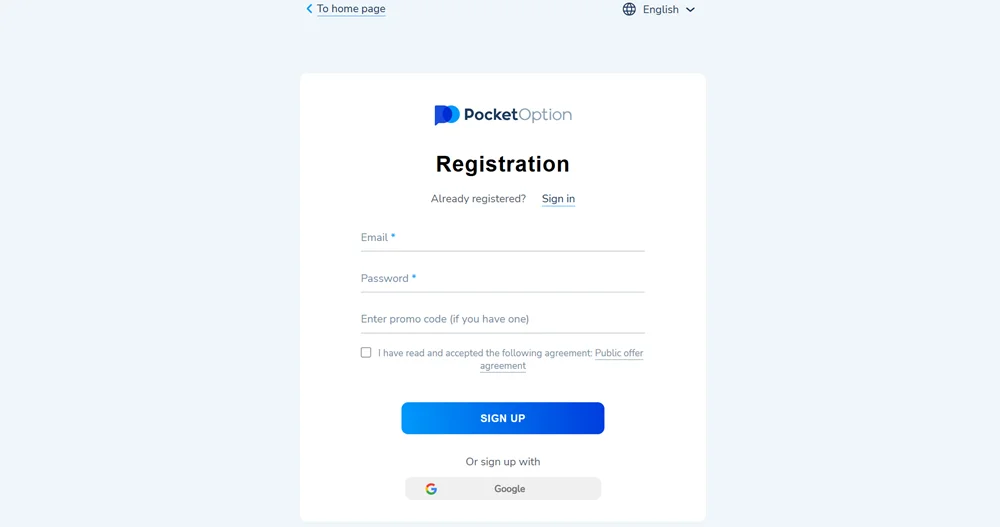
The classic method requires completing these actions:
- Navigate to the official pocketoption.com website (or use our buttons)
- Click the "Registration" button in the upper right corner
- Enter a valid email address in the corresponding field
- Create a password (minimum 10 characters, recommended to use numbers and letters)
- Accept the user agreement by checking the box
- Confirm registration by clicking "Create Account"
- Check your email inbox to activate through the received link
Quick Registration via Google
OAuth registration through Google automatically transfers basic profile information, speeding up subsequent verification.

| Parameter | Email Registration | Google OAuth |
|---|---|---|
| Speed | 2-3 minutes | 30 seconds |
| Security | Medium | High |
| Anonymity | High | Low |
| Subsequent verification | Standard | Simplified |
Account Verification and First System Login
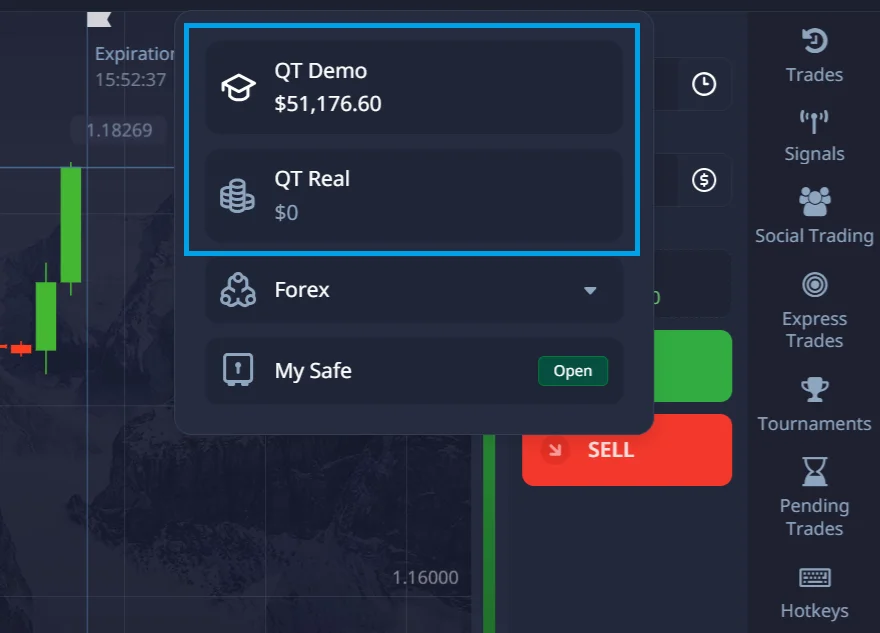
After email confirmation, the system automatically creates a demonstration account with a virtual balance of $50,000. Access to real-time asset quotes, technical indicators, and basic functionality opens immediately. Real money trading requires additional verification steps and deposit.
Identity Verification: Documents, Timeframes, and Requirements
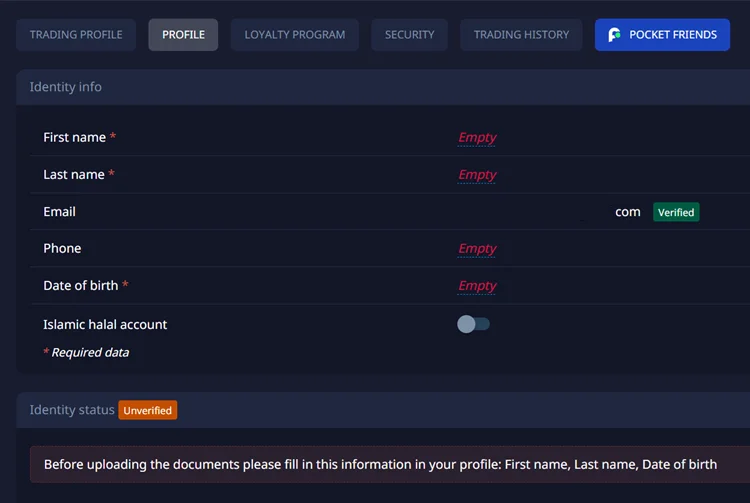
The Know Your Customer (KYC) procedure at Pocket Option consists of three stages with different processing timeframes. Anti-Money Laundering (AML) regulatory requirements obligate the platform to verify client identity before fund withdrawals.
Primary Verification: Identity Document Upload
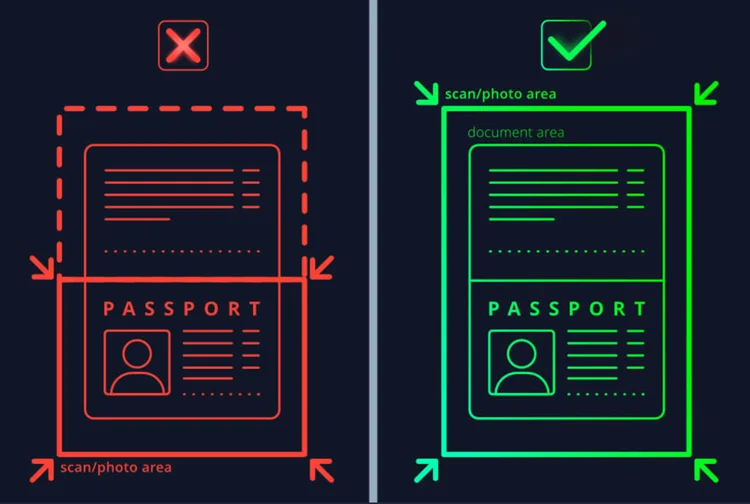
The system accepts the following document types:
- Passport — most universal option for all jurisdictions
- National ID card — for EU countries where it has primary document status
- Driver’s license — as an alternative when passport is unavailable
- Military ID — for some CIS countries as additional identification
| Requirement | Description | Common Errors |
|---|---|---|
| Resolution | Minimum 300 DPI | Blurry screenshots |
| Lighting | Even without glare | Poor lighting photos |
| Integrity | All document corners visible | Cropped edges |
| Validity | Not expired | Outdated documents |
Address Confirmation
Proof of address requires a document no older than 3 months:
- Utility bills — electricity, gas, water
- Bank statement — with stamp or electronic signature
- Rental agreement — with party signatures and seals
- Registration certificate — from passport office or municipal services
- Internet/phone bills — from service providers
Additional Bank Card Verification
When using Visa or Mastercard for deposits, a card photo is required. The middle 8 digits of the number must be covered with a sticker or finger. The CVV code on the back is completely hidden. This stage activates only after the first card account top-up.
Common Registration Problems and Solutions
Customer support statistics show that approximately 15% of new users encounter difficulties during account creation or verification. Most problems resolve independently when typical errors are understood.
Document Upload Errors
Five most frequent technical issues:
- File size exceeded — limit is 10 MB per image
- Unsupported format — only JPG, PNG, PDF accepted
- Slow internet connection — upload interrupts at speeds below 1 Mbps
- Antivirus blocking — some programs block file uploads
- Browser cache overflow — requires temporary data clearing
Document Rejection: Reasons and Alternatives
| Rejection Reason | Solution | Alternative Document |
|---|---|---|
| Unreadable text | Retake photo with good lighting | High-quality scan |
| Data mismatch | Check profile spelling | Correction through support |
| Expired validity | Document renewal | Temporary certificate |
| Incomplete document | Photo of all passport pages | ID card instead of passport |
Technical Failures and Browser Issues
Platform compatibility requires a modern browser with JavaScript and WebGL support. Chrome 90+, Firefox 88+, Safari 14+ work stably. Internet Explorer is completely incompatible. On mobile devices, using the official application instead of the browser version is preferable to avoid file upload issues.
Account Security: Data Protection and Privacy
Pocket Option uses SSL encryption for data transmission and stores documents on servers compliant with PCI DSS standards.
Additional Account Protection Setup
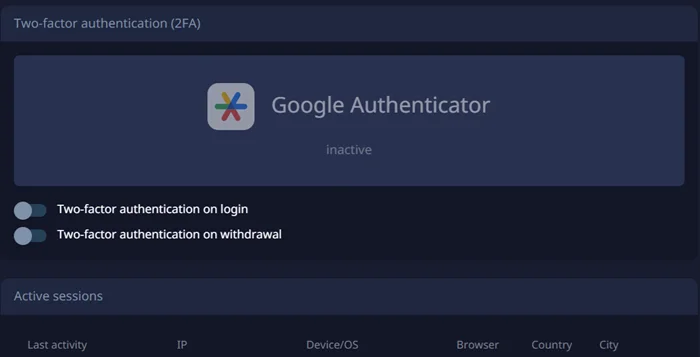
Available security options include:
- Two-factor authentication (2FA) via Google Authenticator or Authy
- SMS notifications about system logins and transactions
- Email alerts when profile settings change
- IP restrictions — account binding to specific addresses
- Temporary access codes for new device logins
Privacy Policy and Personal Data Processing
The company claims non-disclosure of client information to third parties, except in cases of court orders. Documents are stored encrypted, but exact server locations aren’t disclosed. Critics note insufficient transparency in data deletion policies after account closure.
Post-Registration: Profile Setup and First Steps
Successful account activation opens access to the trading platform with full functionality for strategy testing. Transitioning to real-money trading requires understanding differences between demo and live modes.
Switching Between Demo and Real Accounts
| Function | Demo Account | Live Account |
|---|---|---|
| Initial balance | $50,000 virtual | From $5 real |
| Quotes | Real-time | Real-time |
| Technical indicators | Full access | Full access |
| Social trading | View only | Signal copying |
| Tournaments | Unavailable | Prize participation |
| Fund withdrawal | Impossible | Available after verification |
First Deposit: Methods, Limits, and Bonuses
The minimum top-up amount is $5 when using most electronic wallets. Visa/Mastercard bank cards have a $10 minimum limit. Cryptocurrency deposits through Bitcoin or Ethereum start from $20 equivalent due to network fees.
New clients receive welcome bonuses up to 50% of the first deposit when using promotional codes. Bonus funds have withdrawal restrictions until turnover conditions are met — typically requiring trades totaling 30-40 times the bonus amount.
Trading Interface and Tools Setup
The Pocket Option platform offers over 100 assets for quick trading: 30+ currency pairs, 20+ cryptocurrencies, major company stocks, and commodity futures. Technical analysis is supported by Moving Average, RSI, MACD, Bollinger Bands, and other indicators.
Trade timeframes range from 5 seconds to 4 hours. Short expirations (up to 1 minute) are popular among scalpers but require high reaction speed and stable internet connection.
Conclusion
Pocket Option registration requires attention to verification details and understanding regulatory requirements. Following the described steps minimizes document rejection risk and accelerates access to full platform functionality.
FAQ
Account creation takes 2-3 minutes. Document verification processes from 24 to 72 hours depending on support service workload and quality of provided materials.
Contact customer support for detailed rejection reason explanations. Most often the issue is photo quality or data mismatches. Re-uploading is possible unlimited times.
Demo account trading is available without verification. For real money deposits and withdrawals, KYC procedures are mandatory according to international AML standards.
No, the user agreement permits only one account per person. Creating duplicate accounts leads to blocking all profiles and fund confiscation.
The platform uses SSL encryption and claims compliance with security standards. However, absence of strict regulation creates certain risks. Using document copies instead of originals when photographing is recommended.
Minimum age is 18 years for most countries. Some jurisdictions may have higher requirements — up to 21 years. Exact age limits depend on user residence country legislation.